

Autism 101: Understanding Autistic Experience
A gentle, evidence-informed introduction to autistic ways of sensing, thinking, relating, and being, grounded in a neurodiversity-affirming lens.
Autism is not a disorder to be fixed. It is a natural variation in human neurobiology, a different way of processing the world, building relationships, managing sensory input, and navigating daily life.Autism 101 is designed for individuals, families, and professionals who want clear, compassionate, research-informed information about autism, without stereotypes, fear-based messaging, or deficit-focused framing.
Whether you are exploring autism for yourself, your child, or someone you support, this page offers a starting point for understanding, and a reminder that different does not mean broken.

What Is Autism?
Autism is a lifelong neurodevelopmental difference that shapes how a person experiences the world. Autistic people may process sensory information differently, communicate in unique ways, develop deep focused interests, and rely on predictability or routine to feel regulated and safe.
Autism presents differently in every individual. There is no single “autistic profile,” no one way to look autistic, and no universal set of traits.
At InFocus, we understand autism not as a deficit, but as a difference, one that comes with both meaningful challenges in a world not designed for autistic nervous systems, and powerful strengths when supported well.
Why So Many People Are Missed
Many autistic people, especially women, gender-diverse individuals, and BIPOC communities, remain undiagnosed well into adolescence or adulthood. This often happens because:
• Autism stereotypes are based on narrow historical research
• Many people learn to mask autistic traits to fit in
• Internal experiences are harder to observe than external behaviour
• Support needs may fluctuate across environments
Late discovery is not failure. It is often the moment life finally starts to make sense.

Autistic Nervous Systems and Sensory Experience
Autistic nervous systems often experience the world with heightened intensity. Sounds, lights, textures, social environments, or internal bodily sensations can feel overwhelming, or sometimes not noticeable enough.
These sensory differences shape:
• energy levels
• emotional regulation
• attention and focus
• shutdowns and meltdowns
• recovery needs
Understanding autism begins with understanding the nervous system, not willpower or motivation.

Masking, Burnout, and Identity
Many autistic people learn to camouflage their natural communication styles, sensory needs, or emotional responses to meet social expectations. This is known as masking.
While masking can help someone “pass,” it often comes at a cost:
• chronic exhaustion
• anxiety and depression
• loss of self-understanding
• autistic burnout
• physical health strain
Unmasking is not about changing who you are. It is about finally allowing yourself to exist safely as yourself.

Autistic Communication and the Double Empathy Problem
Traditional models describe autism as a social deficit. Modern research and autistic lived experience tell a different story.
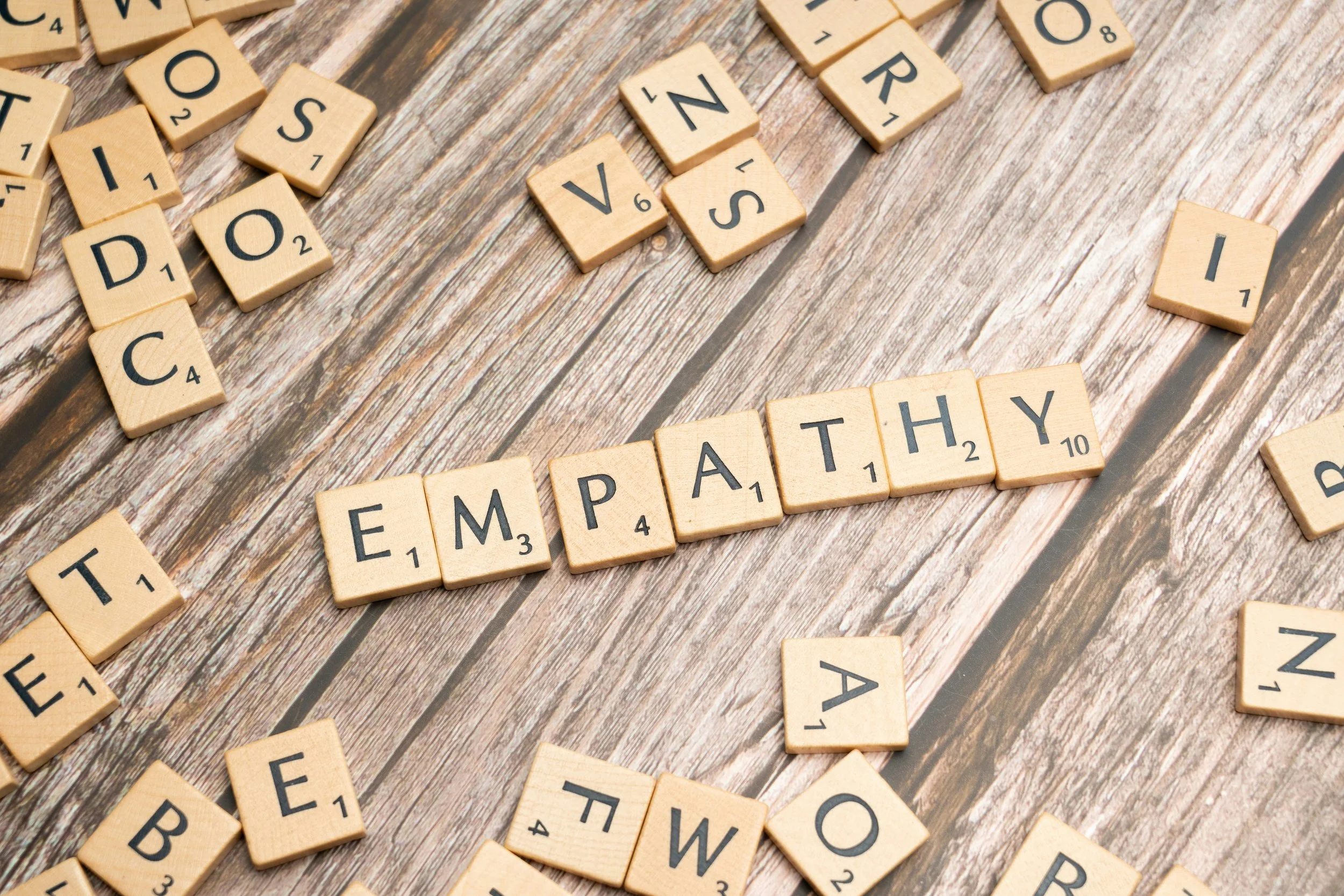
The Double Empathy Problem explains that communication breakdowns occur because autistic and non-autistic people experience and interpret the world differently, not because one side lacks empathy.
When both sides learn each other’s communication styles, connection becomes possible without forcing one person to do all the adapting.
Strengths of Autistic Minds
Autistic people often bring:
• deep curiosity and pattern recognition
• strong attention to detail
• creative problem-solving
• authenticity and honesty
• intense passion for areas of interest
• loyalty and meaningful connection
Neurodiversity strengthens communities when environments allow different minds to thrive.
How We Support Autistic Clients
At InFocus, we provide:
• neuroaffirming autism assessments
• support for late-diagnosed adolescents and adults
• counselling for autistic individuals and families
• burnout recovery and nervous system regulation
• identity exploration and self-understanding
• ADHD–autism overlap (AuDHD) support
• consultation for schools, workplaces, and caregivers
All services are trauma-informed, culturally responsive, and grounded in lived experience and clinical expertise.
Explore Autism Topics
Choose a topic below to learn more by clicking:
What Is Autism?
A clear explanation beyond stereotypes and deficit-based models.Late Diagnosis & Masking
Why so many discover autism later in life, and what that changes.Communication & the Double Empathy Problem
Rethinking social difference as mutual misunderstanding.Autistic Strengths & Identity
A strengths-based view of autistic ways of thinking and being.ADHD & Autism Overlap (AuDHD)
Understanding the common intersection between ADHD and autism.Supports & Accommodations
Practical ways environments can better support autistic people.


























Wondering if Autism Might Fit Your Experience?
Many people spend years feeling “different,” “too much,” or “not enough” before discovering they are autistic. You deserve clarity without shame, judgment, or pathologizing.
We’re here to help you explore this safely.
Different minds are not problems to solve, they are perspectives the world needs.