

Women's Health, ADHD & Autism
Supporting Neurodivergent Individuals Through Hormonal Transitions
Hormonal health can influence how we think, feel, sleep, and experience the world around us. For women with ADHD or autism, hormonal changes may interact with attention, emotional regulation, sensory experiences, energy, and everyday functioning in ways that are not always recognized or understood.
At InFocus with Neurodiversity Collective, we recognize that neurodivergent health extends beyond mental health alone. Through our collaborative healthcare network, we help connect individuals with practitioners who understand the relationship between hormonal health, neurodevelopmental differences, and overall well-being.
Our approach emphasizes individualized, evidence-informed care that recognizes the complexity of women's health, from menstrual and reproductive concerns to perimenopause and menopause.
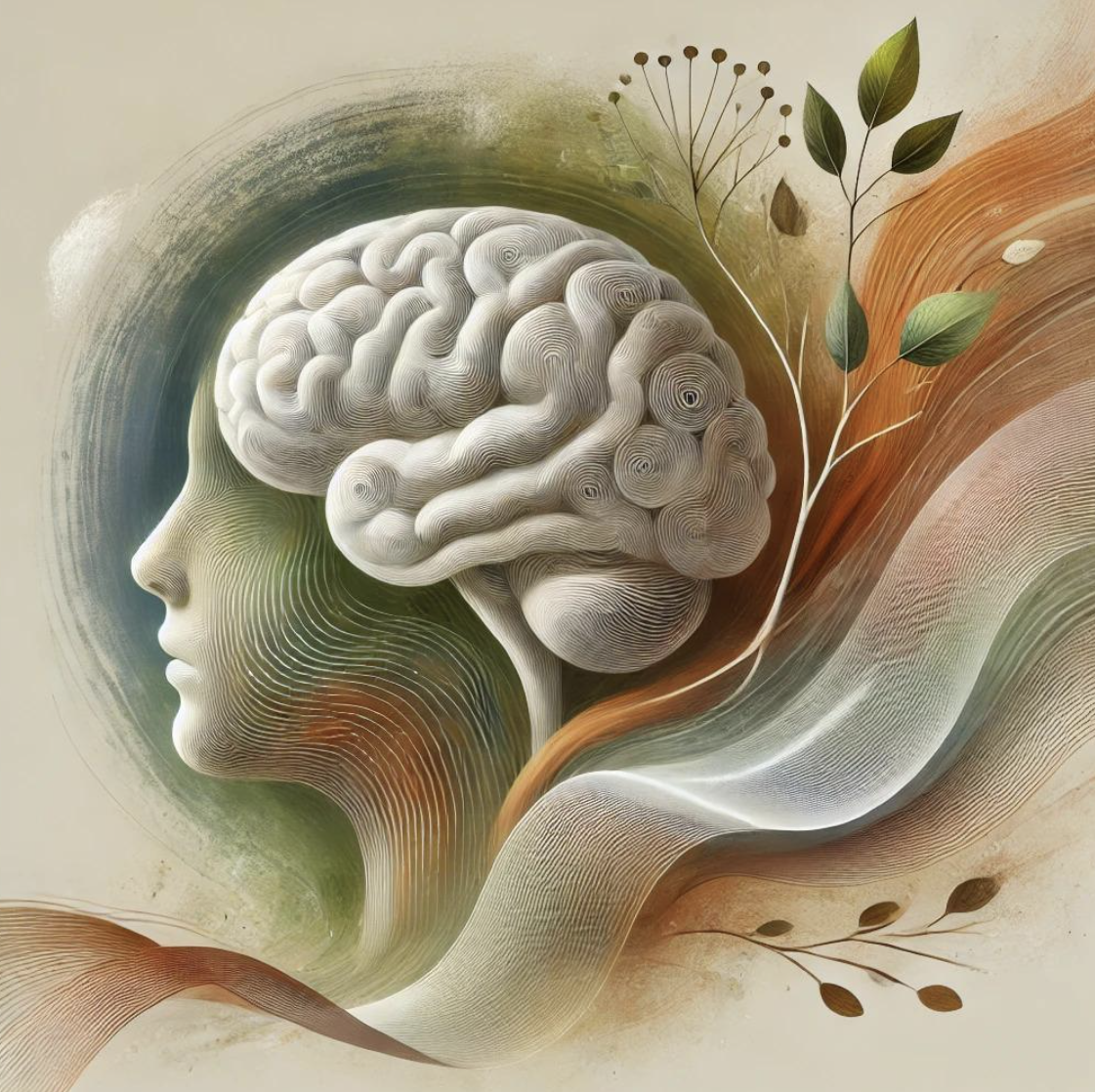

The Connection Between Hormones and Neurodivergence
Hormones influence many systems involved in physical and psychological well-being, including those associated with sleep, mood, attention, memory, and stress regulation. Throughout life, hormonal fluctuations may contribute to changes in how individuals experience and manage their everyday responsibilities.
For some women with ADHD, changes across the menstrual cycle, during pregnancy and postpartum, or throughout perimenopause may coincide with increased difficulties in concentration, organization, emotional regulation, or executive functioning. Strategies that were previously effective may begin to feel less reliable, leaving individuals wondering why familiar tasks suddenly require more effort.
Autistic women may also notice changes in sensory tolerance, fatigue, emotional regulation, or their capacity to navigate social and environmental demands. Sleep disruption, physical discomfort, and changes in bodily sensations can introduce additional challenges, particularly when existing coping strategies are already being stretched.
Estrogen interacts with neurological systems involved in cognitive and emotional functioning, although research specifically examining hormonal transitions in ADHD and autistic populations remains limited and continues to evolve.
These experiences do not necessarily mean that ADHD or autism itself has become more severe. Rather, hormonal fluctuations, disrupted sleep, stress, and other health factors may influence how existing neurodevelopmental characteristics are experienced.
Recognizing these interactions creates opportunities for a more comprehensive understanding of health, one that considers neurological differences alongside physical, hormonal, and environmental influences.
Meet Our Collaborative Healthcare Providers
At InFocus, we recognize that supporting neurodivergent individuals sometimes requires expertise beyond counselling, psychological assessment, or psychiatric consultation.
Our collaborative healthcare providers offer additional perspectives on hormonal and reproductive health, helping individuals explore concerns that may be contributing to changes in their cognitive, emotional, sensory, or physical well-being.
These practitioners operate through their own independent practices and bring specialized clinical knowledge to areas of women's health that may intersect with ADHD and autism.

Dr. Elli Reilander is a naturopathic physician on Vancouver Island with 10 years of clinical experience. Her practice focuses on hormonal health throughout the lifespan, including premenstrual dysphoric disorder (PMDD), polycystic ovary syndrome (PCOS), endometriosis, perimenopause, and menopause.
She holds the Menopause Society Certified Practitioner (MSCP) designation, reflecting specialized knowledge of menopause care and a commitment to ongoing professional education. Dr. Reilander has a particular interest in supporting ADHD and autistic individuals,
recognizing that hormonal changes may interact with attention, sensory processing, emotional regulation, sleep, and daily functioning.
Her approach combines individualized clinical assessment, laboratory investigations when indicated, nutrition and lifestyle counselling, prescription and non-prescription treatment options, and collaboration with existing healthcare providers. Appointments are available in person in Cobble Hill, Vancouver Island, and virtually throughout British Columbia.
Areas of Support

Hormonal changes throughout the menstrual cycle can influence mood, energy, attention, and sensory experiences. We recognize how conditions such as PMDD, PCOS, and endometriosis may intersect with neurodivergence and the importance of individualized reproductive healthcare.
Hormonal fluctuations may influence sensory sensitivity, emotional regulation, energy, and physical comfort. For autistic individuals, understanding these interactions can help inform care that respects individual sensory needs and experiences.

Hormonal transitions can bring changes in sleep, emotional regulation, memory, and cognitive functioning. For women with ADHD or autism, these shifts may introduce additional challenges, highlighting the importance of care that considers both hormonal and neurological health.

Disrupted sleep, persistent fatigue, and cognitive changes can affect everyday functioning and well-being. Exploring hormonal, neurological, and other health factors can help identify potential contributors and guide individualized support.

ADHD experiences can fluctuate across different hormonal stages of life. Changes in estrogen, sleep, and stress may influence attention, executive functioning, and emotional regulation, making it important to consider hormonal health as part of a broader understanding of ADHD.

Hormonal changes can affect emotional regulation, stress tolerance, and mood. For women with ADHD or autism, these shifts may heighten emotional sensitivity and everyday challenges, highlighting the importance of individualized care.

What to Expect From Care
Hormonal healthcare is not one-size-fits-all. Individuals may experience similar symptoms for different reasons, and effective support begins with understanding each person's medical history, neurodevelopmental profile, priorities, and goals.

Comprehensive Assessment
Your healthcare provider will take time to understand your symptoms, relevant medical history, hormonal and reproductive health, current medications, sleep, lifestyle, and everyday concerns.
Laboratory investigations or additional medical assessments may be recommended when clinically appropriate.

Personalized Treatment Planning
Treatment recommendations are developed in collaboration with you and may include nutrition and lifestyle interventions, menopausal hormone therapy, non-hormonal prescription treatments, or other appropriate options within your provider's scope of practice.
Your preferences, health history, and individual circumstances help guide decisions.
Education & Empowerment
Understanding how hormonal health interacts with your body, emotions, and neurodivergence is an important part of care. Your provider can help you recognize patterns, explore available options, and make informed decisions that reflect your needs, preferences, and goals.

Ongoing Support
Health needs and symptoms can change over time. Follow-up care provides opportunities to review progress, monitor treatment responses, and make adjustments when needed.
The goal is to support informed decisions and sustainable approaches to long-term well-being.
Collaborative Healthcare
Hormonal health concerns may overlap with ADHD, autism, mental health, or other medical conditions.
With your consent, your provider may collaborate with your family physician, nurse practitioner, psychiatrist, counsellor, or other healthcare professionals to support continuity of care.


A Collaborative Approach to Women's Health
At InFocus, our understanding of neurodivergence is grounded in recognizing the whole person, rather than viewing ADHD or autism in isolation. Physical health, hormonal changes, sleep, sensory experiences, relationships, and environmental demands can all influence how an individual experiences their neurodivergence.
For many women, the relationship between these factors has historically been overlooked. Changes in attention, emotional regulation, or cognitive functioning may be attributed entirely to stress or mental health without considering potential hormonal or medical contributors.
Our collaborative healthcare approach creates opportunities to explore these experiences from multiple perspectives. By connecting individuals with practitioners who bring complementary expertise in hormonal and reproductive health, we aim to support more informed, coordinated, and individualized care.
Collaborative providers maintain their own independent practices. Their services complement, rather than replace, InFocus counselling, ADHD and autism assessments, psychiatric consultations, and ongoing primary medical care.

Appointments & Booking
Our collaborative healthcare providers offer services for individuals seeking support with hormonal and reproductive health concerns, including menstrual health, perimenopause, menopause, and changes that may interact with ADHD or autism.
Appointment locations, availability, fees, and treatment options vary by provider.
Dr. Elli Reilander, ND, MSCP
In-person appointments in Cobble Hill, Vancouver Island
Virtual appointments throughout British Columbia
Direct billing available for most extended health benefit plans, subject to
individual coverage
If you are an existing InFocus client and would appreciate assistance connecting with a collaborative healthcare provider, please contact our team at intake@infocuscounselling.com.

Understanding Your Health Across the Lifespan
Neurodivergence is lifelong, but the way individuals experience their needs, strengths, and challenges can change over time.
Hormonal transitions are one of many factors that may influence these experiences. Understanding their potential role can help individuals make sense of changes that previously felt confusing, unexpected, or difficult to explain.
At InFocus, we believe that meaningful support begins with curiosity, collaboration, and an appreciation for the many ways physical health and neurodivergence intersect.
Women's health deserves an approach that recognizes the whole person.